Family Activities in London: How to Choose Things to Do with Kids
The best family activity in London depends on your children’s ages and interests, the weather, your budget, how much time you have and where you will already be. Start with one priority attraction, add a flexible nearby option, and check the official website for current admission, age and access details before you travel.
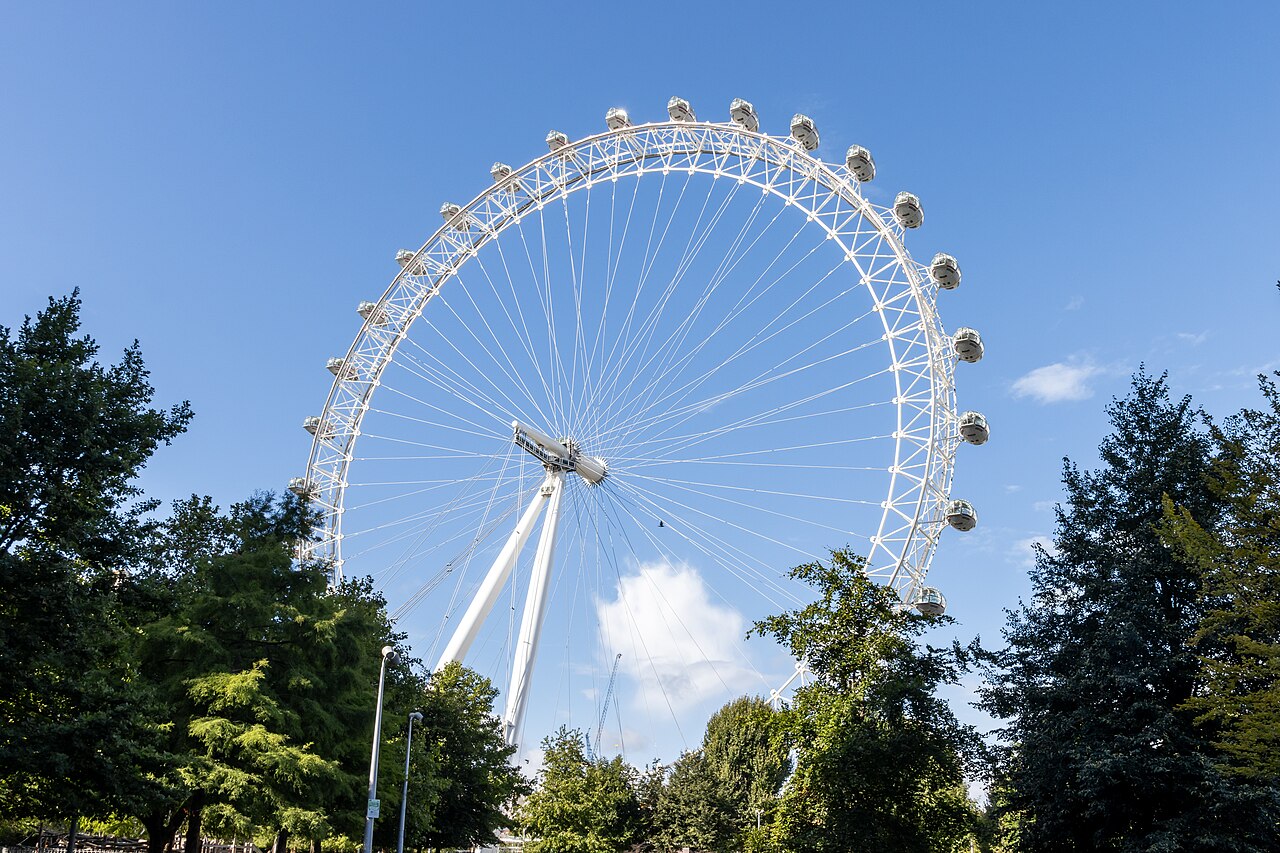
Photo: Mike Peel / Wikimedia Commons, CC BY-SA 4.0. No changes to the credited photograph are represented here.

Start with a quick family activity shortlist
Use this comparison as a shortlist, not a live availability board. “Age fit” describes the experience cautiously; each family should check the venue’s published guidance and decide what works for the individual child. Details were checked on official pages on 1 October 2026.
| Activity | Experience and approximate age fit | Setting | Cost signal | Area | Time category | Booking signal |
|---|---|---|---|---|---|---|
| Natural History Museum | Large collections and family galleries; broad age appeal | Mostly indoors, with gardens | General galleries free; some exhibitions paid | South Kensington | Half-day friendly | Free advance ticket recommended to guarantee entry |
| Science Museum | Science objects and interactive experiences; choose galleries by age | Indoors | General admission free; some experiences paid | South Kensington | Half-day friendly | Check and book the relevant free or paid ticket |
| London Transport Museum | London transport history and hands-on museum visit | Indoors | Paid adult admission; children’s ticket policy shown during booking | Covent Garden | Compact to half-day | Timed entry required for all visitors |
| National Maritime Museum | Maritime galleries plus age-specific play spaces | Indoors | Museum free; some galleries or events paid | Greenwich | Half-day friendly | Advance free entry recommended; separate sessions may require booking |
| Tower of London | Historic site with indoor and exposed sections; older children may engage with the stories | Mixed | Paid | Tower Hill | Major visit | Advance booking recommended; on-day tickets depend on availability |
| London Eye | City views in an enclosed observation capsule | Mostly indoors/enclosed, but arrival queues may be exposed | Paid | South Bank | Compact booked stop | Choose a dated time and review arrival information |
| Diana Memorial Playground | Outdoor play; check current entry and supervision rules | Outdoors | Free | Kensington Gardens | Flexible stop | Check opening times and any capacity arrangements |
| Greenwich Park Playground | Inclusive maritime-themed play, officially listed for children up to 12 | Outdoors | Free | Greenwich | Flexible stop | No attraction ticket; check seasonal park hours |
| Unicorn Theatre | Theatre made for young audiences; age guidance varies by production | Indoors | Paid or programme-dependent | London Bridge | Fixed-time performance | Book the specific show and check age, runtime and access information |
For a short day, favour one compact booked activity and one no-ticket fallback. For a longer day, a museum or historic site can be the anchor, but leave enough space for meals, queues and travel rather than treating every opening hour as usable sightseeing time.
Choose by the experience your family wants
Museums and hands-on learning
Museums work well when the forecast is uncertain and family members want different levels of detail. In South Kensington, the Natural History Museum offers free general galleries, while some exhibitions and events are paid; its official visitor page recommends booking a free ticket to guarantee entry. The nearby Science Museum also combines free museum access with individually ticketed experiences. Check the day’s gallery and ticket information rather than assuming every interactive space is included or available.
The National Maritime Museum is a stronger fit if your family wants to build a day around Greenwich. General museum entry is free, with advance booking recommended. Its official family information distinguishes between spaces: All Hands is designed for ages 6–12, while AHOY is aimed at younger children and can have a separate booking or charge depending on the day. That specificity is more useful than labelling the whole museum “best for kids.”
London Transport Museum is a paid, more focused choice in Covent Garden. Its booking service states that every visitor needs a timed entry, including children. It can suit families interested in buses, trains and how London works, while also fitting naturally into a central London day.
Landmarks and sightseeing
Choose a landmark when the shared goal is a recognisable London experience rather than open-ended gallery time. The Tower of London offers historic buildings, outdoor areas and exhibitions under one admission ticket, but some routes can be reduced or closed for conservation. Its official pages recommend advance booking, and its varied surfaces and historic architecture make the accessibility guide worth reading before purchase.
The London Eye is simpler to place into a schedule because it is a dated attraction with a defined arrival process. It may appeal to families who want broad city views without walking between several landmarks. However, ticket choice, queues, weather, sensory preferences and step-free arrangements still need checking on the official plan-your-visit and accessibility pages.
Parks, playgrounds and outdoor discovery
Outdoor play adds flexibility and can balance a structured museum visit. The Diana Memorial Playground in Kensington Gardens pairs logically with South Kensington or Kensington plans, but families should check current opening and entry information before setting out. The playground is not a substitute for an all-weather plan.
Greenwich Park Playground is especially useful in an area-based day. The Royal Parks describes it as an inclusive, maritime-themed playground for children up to age 12, with accessible toilets, baby-changing facilities, seating and drinking water. Seasonal hours vary, so confirm them on the day. The nearby park and museum make it possible to switch between indoor learning and outdoor play without crossing London.
Shows and family entertainment
A show is a fixed commitment, not a flexible drop-in. Unicorn Theatre at London Bridge programmes work for young audiences, but each production has its own age guidance, dates, runtime, access performances and ticket conditions. Choose the production first, then build the day around its start time. Do not infer suitability from the venue name alone, and avoid buying through an unverified reseller when the official venue or production page is available.
For West End or other family shows, check four items before paying: the production’s age guidance, whether every child needs a ticket, runtime and interval, and the venue’s late-admission rule. A child who enjoys a 45-minute interactive session may not enjoy a long seated performance, even when both are marketed to families.
Build a plan for rain, sunshine or a tight budget
Rainy-day and indoor route
- Pick one indoor anchor: a South Kensington museum, London Transport Museum, the National Maritime Museum or a booked show.
- Confirm that the particular gallery or performance is operating; “museum open” does not mean every space is available.
- Keep a second indoor choice in the same area instead of crossing the city in bad weather.
- Allow for wet-weather queues and cloakroom or buggy rules where relevant.
South Kensington is convenient for pairing the Natural History Museum with the Science Museum, but capacity and separate tickets still apply. Greenwich offers the National Maritime Museum as an indoor anchor, with other Royal Museums Greenwich sites only if their current admission and booking terms suit your group.
Outdoor and fair-weather route
- Use a playground or park as the flexible part of the day, not the only plan.
- Check park opening times, temporary closures and the forecast shortly before leaving.
- Bring an indoor fallback in the same district.
- Treat fountains, sand or water-play features as reasons to pack suitable clothes, not as guaranteed operating facilities.
Kensington Gardens can complement a museum day, while Greenwich Park Playground can complement the National Maritime Museum. These combinations reduce decision-making without requiring an exact timetable.
Free-first and mixed-budget route
“Free entry” can still involve a timed ticket, a queue, a paid special exhibition, transport costs or a separately charged play session. Read the booking page for the exact date. A practical mixed-budget day uses one paid priority—such as the Tower of London, London Eye, London Transport Museum or a show—then adds a genuinely free museum gallery, park or playground nearby.
Do not choose a paid add-on only because it appears during checkout. Ask whether it adds something important for your children or merely duplicates the day’s main experience.
Group activities by London area to spend less time travelling
South Kensington and Kensington
Build around either the Natural History Museum or Science Museum, then use the other only if the family still has time and energy. Kensington Gardens and the Diana Memorial Playground provide an outdoor alternative. This is a flexible cluster, but walking distance, entrances and transport conditions should be checked with the official TfL Journey Planner on the day.
Covent Garden and the West End
London Transport Museum can be the booked anchor. Add a short walk or meal rather than automatically adding another major attraction. If a theatre performance is the priority, protect its arrival time and check the venue’s late-seating policy.
Greenwich
The National Maritime Museum and Greenwich Park Playground form a practical indoor/outdoor pair. Families can decide on the second stop after seeing the weather and energy levels. Other Greenwich attractions, including the Royal Observatory and Cutty Sark, are separately ticketed; compare their official booking terms before turning the cluster into a multi-attraction itinerary.
Tower Hill, London Bridge and South Bank
The Tower of London is substantial enough to be the day’s main visit. Unicorn Theatre is across the river near London Bridge, but it only combines sensibly when a specific performance time leaves adequate margin. The London Eye is farther west on the South Bank, so treat it as a separate booked stop and verify the route instead of assuming “riverside” means nearby.
These are planning examples, not fixed itineraries. London travel conditions change, and an apparently short route can become awkward with a buggy, mobility needs, station closures or a tired child.
Check these details before you visit
Before committing to an activity, open its official visitor page and check:
- the opening date and time for the exact day;
- whether general entry and the desired gallery, session or performance use separate tickets;
- the current price, what it includes and the cancellation or exchange terms;
- age guidance, adult-supervision rules, minimum heights or other restrictions;
- step-free routes, accessible toilets, quiet spaces, companion tickets and how to request help;
- temporary closures, reduced routes and planned transport disruption;
- the official address and entrance, rather than only the nearest station name;
- whether an outdoor element depends on daylight or weather.
The most common planning mistake is treating a category as a fact: “free museum” does not mean every exhibition is free, “family show” does not mean every age will be admitted, and “accessible” does not describe every family’s needs. Use the labels in this guide to narrow the field, then rely on the venue’s current factual information. Contact the venue when its access page does not answer a specific requirement.
Frequently asked questions about London family activities
How many activities should a family plan for one day in London?
There is no reliable universal number. Base the day on children’s ages, travel distance, fixed booking times and how much flexibility the family needs. One major attraction plus one nearby flexible option is often easier to adapt than several timed entries, but use the TfL journey planner for your actual route.
Do family attractions in London need advance booking?
Policies vary. Some free museums recommend a ticket to guarantee entry, London Transport Museum requires timed entry for every visitor, and paid landmarks or shows may sell by date and time. Check the official booking page for the exact attraction and date.
How can visitors check whether an attraction is accessible for their family?
Read the venue’s official accessibility guide for routes, lifts, toilets, sensory information and companion-ticket policies. If the required detail is missing, contact the venue before booking. Accessibility and suitability depend on the individual visitor and the parts of the site they intend to use.
Where should a family check travel changes on the day?
Use TfL status updates and the TfL Journey Planner, then check the attraction’s own closure or visitor notice. Avoid relying on an old itinerary for current station access or disruption.
Shortlist two or three options by age, weather, budget and area. Then confirm the exact day’s details on each official site before booking or travelling.